
Cybersecurity Fundamentals
Cybersecurity Fundamentals In the intricate web of digital interactions, comprehending Cybersecurity Essentials is akin to fortifying the very foundation of a virtual fortress. Cybersecurity Fundamentals Core Security Principles serve as guiding beacons, illuminating the path toward an impregnable defense strategy. Cybersecurity Fundamentals Whether for an individual or an enterprise, embracing Basic Cyber Protection is no longer a choice but an imperative shield against the relentless waves of cyber threats. Cybersecurity Fundamentals At the nucleus of this defensive architecture lies the concept of Foundational Security, the bedrock upon which resilience is etched against adversarial incursions.
The Pillars of Core Security Principles
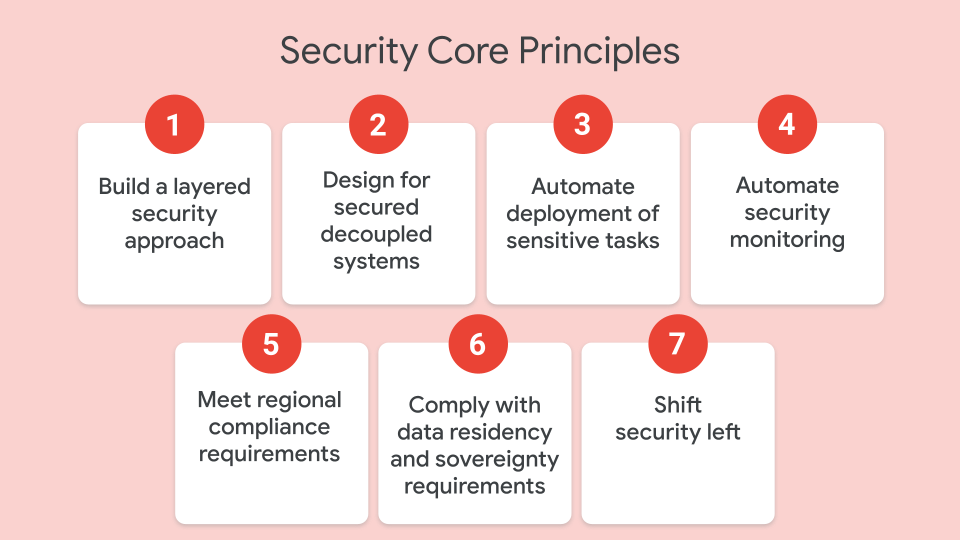
Confidentiality, Integrity, Availability (CIA)
The triad of confidentiality, integrity, and availability constitutes the essence of Core Security Principles. Upholding confidentiality ensures restricted access to sensitive information. Integrity safeguards data from unauthorized alterations. Availability guarantees uninterrupted access to resources.
Least Privilege and Defense in Depth
Adhering to the principle of least privilege restricts user access to the bare essentials necessary for their roles. Meanwhile, defense in depth involves layering security mechanisms to create a robust defense, ensuring resilience against potential breaches.
Unveiling the Essence of Cybersecurity
Foundational Security: The Bedrock
At the heart of cybersecurity lies the concept of Foundational Security—a blend of proactive measures and a resilient infrastructure. It constitutes a multi-layered defense mechanism designed to counteract the multifarious threats prowling in the digital wilderness.
Cybersecurity transcends mere antivirus software and firewalls. It embodies a holistic approach encompassing technological solutions, human vigilance, and adaptive strategies.
Illuminating the Core Security Principles
Confidentiality, Integrity, Availability (CIA)
The trinity of confidentiality, integrity, and availability forms the crux of Core Security Principles. Upholding confidentiality ensures limited access to sensitive data. Integrity safeguards against unauthorized alterations. Availability ensures continuous access to resources.
Least Privilege and Defense in Depth
Adhering to the principle of least privilege restricts user access solely to necessities for their roles. Meanwhile, defense in depth involves layering security measures to create a resilient defense, ensuring robustness against potential breaches.
The Crucial Tenets: Core Security Principles
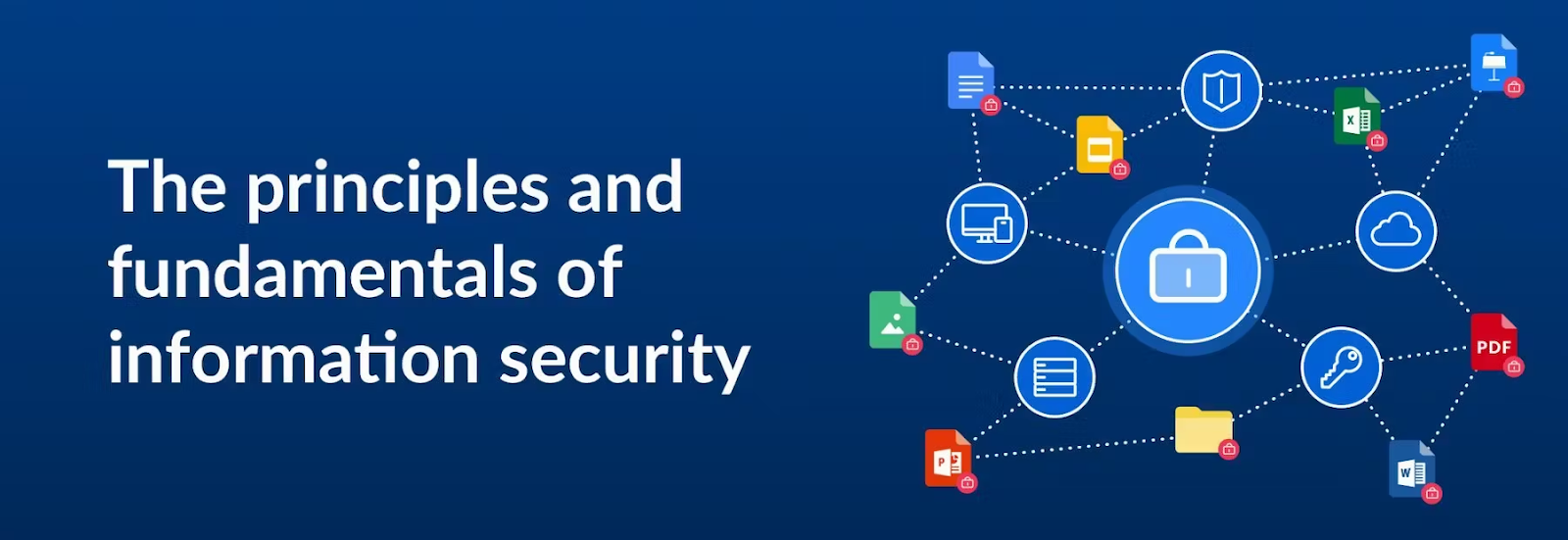
Confidentiality, Integrity, Availability (CIA)
The triad of confidentiality, integrity, and availability serves as the cornerstone of Core Security Principles. Upholding confidentiality ensures data remains accessible only to authorized entities. Integrity safeguards against unauthorized alterations or modifications. Availability guarantees timely and uninterrupted access to data and resources.
Least Privilege and Defense in Depth
Adhering to the principle of least privilege limits user access rights solely to what is essential for their role. Meanwhile, defense in depth involves a layered defense strategy, ensuring that if one layer is breached, multiple others stand resilient.
Understanding Threat Landscapes
The Evolution of Cyber Threats
Cyber threats have evolved from simple viruses to sophisticated malware, ransomware, and beyond. These threats exploit vulnerabilities, compelling us to fortify our Foundational Security against ever-mutating digital adversaries.
Social Engineering: The Human Element
Intriguingly, the weakest link in cybersecurity is often the human element. Social engineering tactics prey on human psychology, bypassing technological barriers. Recognizing and mitigating these human vulnerabilities is integral to Basic Cyber Protection.
Building Blocks of Cyber Defense
Encryption: The Shield of Privacy
Encryption stands as a formidable shield in the realm of cybersecurity. It transforms sensitive information into unreadable ciphertext, ensuring confidentiality and upholding the essence of Core Security Principles.
Patch Management and Regular Updates
Regular software updates and patch management are critical in fortifying Foundational Security. These updates often address known vulnerabilities, thwarting potential exploits.
Embracing Cyber Hygiene
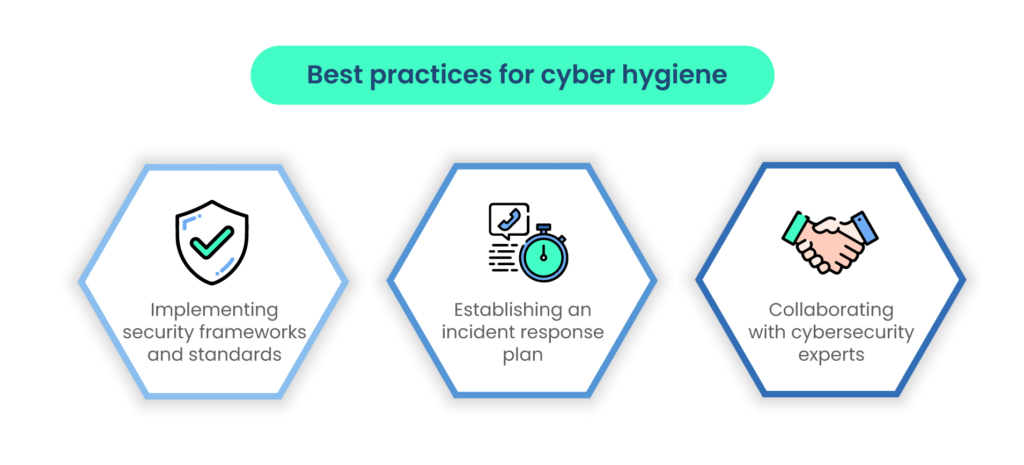
Cyber Hygiene: A Proactive Stance
Cyber hygiene transcends basic measures. It embodies a proactive stance toward maintaining a secure digital environment. Robust password policies, secure network configurations, and user education constitute the fabric of Cybersecurity Essentials.
Continuous Monitoring and Incident Response
A vigilant eye through continuous monitoring aids in early threat detection. Coupled with an efficient incident response plan, it forms a proactive shield against cyber threats, reinforcing Basic Cyber Protection.
Deciphering the Evolving Threatscape
Evolution of Cyber Threats
Cyber threats have evolved from simplistic viruses to sophisticated malware, ransomware, and beyond. These threats exploit vulnerabilities, necessitating the reinforcement of Foundational Security against perpetually evolving adversaries.
Human Element and Social Engineering
Ironically, the human element often emerges as the weakest link in cybersecurity. Social engineering manipulates human psychology to bypass technological defenses. Addressing these human vulnerabilities is pivotal in establishing Basic Cyber Protection.
Fostering Collaborative Vigilance
Information Sharing and Collaborative Endeavors
Cyber threats transcend borders. Collaborative efforts, information sharing platforms, and partnerships among organizations and governments fortify Foundational Security by creating a unified front against cyber adversaries.
Collaborative Vigilance
Information Sharing and Collaboration
Cyber threats know no boundaries. Collaborative efforts, information sharing platforms, and partnerships among organizations and governments bolster Foundational Security by creating a unified defense front.
Ethical Imperatives and Compliance
Ethical considerations intertwined with regulatory compliance are paramount in the realm of cybersecurity. Striking a balance between innovation and ethical data practices reinforces the essence of Core Security Principles.
Constructing the Pillars of Cyber Defense
Encryption: Shielding Privacy
Encryption stands as a formidable bastion in cybersecurity. By converting sensitive data into ciphertext, it upholds confidentiality, a critical aspect of Core Security Principles.
Patch Management and Regular Updates
Regular updates and meticulous patch management play a pivotal role in bolstering Foundational Security. These updates often tackle known vulnerabilities, fortifying defenses against potential exploits.
Outcome:Cybersecurity Fundamentals

In the ever-evolving digital landscape, the pursuit of cybersecurity is not a destination but a journey. Understanding and implementing Cybersecurity Essentials and Cybersecurity Fundamentals is an ongoing commitment. It’s a harmonious blend of technology, human vigilance, and a proactive mindset that fortifies our digital bastions against the relentless waves of cyber threats Cybersecurity Fundamentals.


